
Article—
Men Bouncing Back From Domestic Violence. Deborah Powney, University of Central Lancashire
PhD candidate Deborah Powney on post-traumatic growth in male victims of intimate partner violence — and why trauma services must recognise recovery, resilience and positive adaptation.
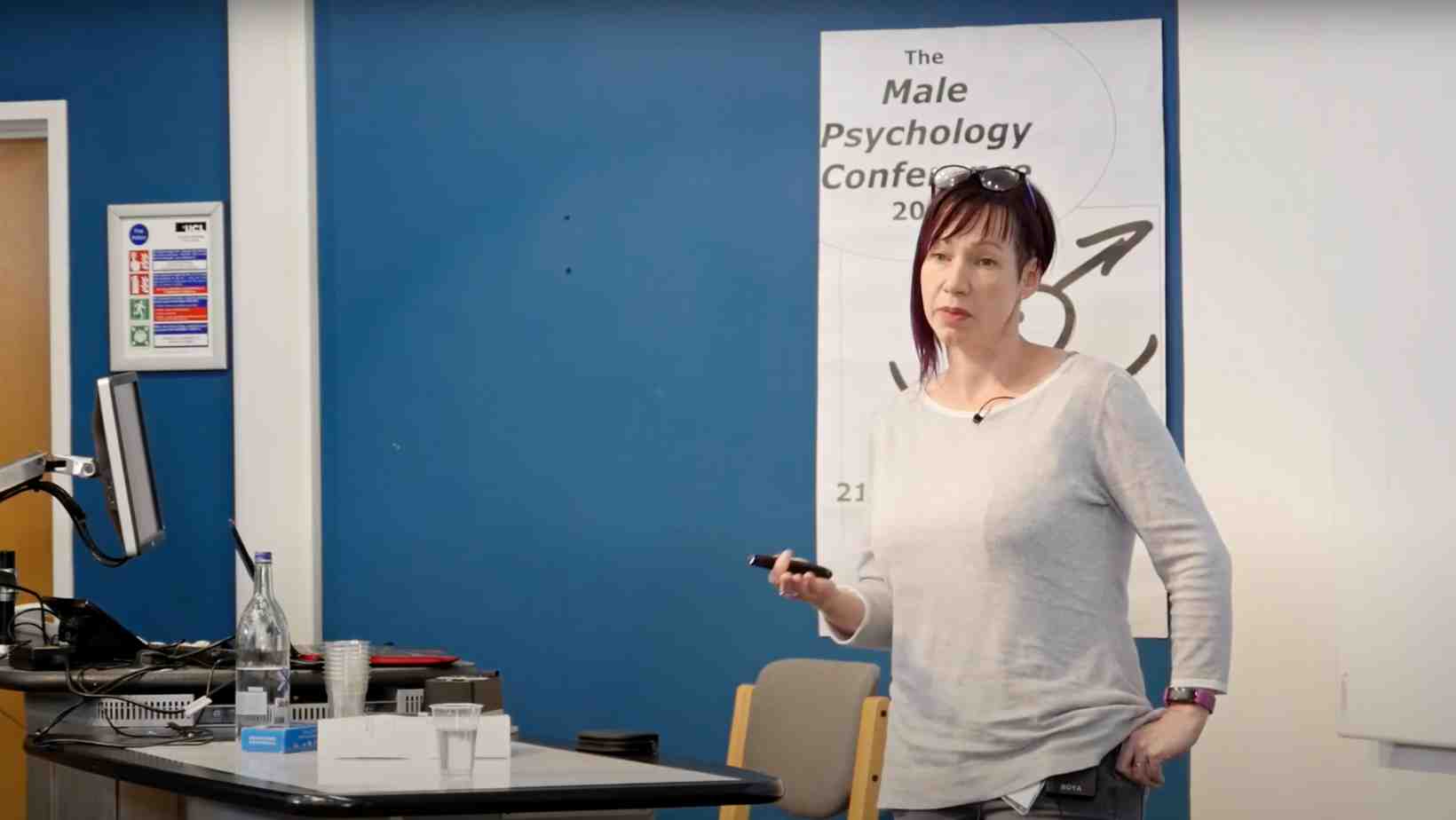
About the Presenter
This is another compelling presentation by PhD candidate Deborah Powney, a lecturer in Criminal Justice and a final-year PhD candidate specialising in recovery and growth in female and male victims of intimate partner abuse, domestic violence and coercive control.
With a particular focus on male victims, Deborah has conducted two international studies throughout the pandemic investigating the types, levels and impact of abuse experienced by men across the world. A survivor of partner abuse herself, she prides herself on being an evidence-based researcher and asserts that abuse is not a gendered issue.
Watch the presentation on the Centre for Male Psychology YouTube channel.
Compensatory Consequences and Positive Adaptations to Intimate Partner Violence
Experiences of trauma can have devastating, life-changing effects — including PTSD, depression, substance abuse, heart disease and suicide. However, it has been suggested that the extensive focus on the negative consequences leads clinicians to form a pathological bias toward what are, in fact, normal reactions to trauma. This bias prevents a complete picture of how trauma victims adapt.
An Emerging Field: Post-Traumatic Growth
Conversely, an emerging field investigates the positive changes that can occur as people adapt to trauma. These compensatory consequences include:
- Increased personal strength and self-esteem
- Higher levels of empathy and stronger social connections
- Greater appreciation of life
- Improved resilience
Each of these has been shown to reduce the negative impact of post-traumatic stressors.
Where Men Are Disproportionately Affected
Men suffer disproportionately in a number of trauma-linked areas, including:
- Military combat
- HIV/AIDS
- Homelessness
- Imprisonment
- Suicide
Despite this, men are less likely to seek clinical help for psychological distress. Traditional treatment formats may leave men feeling emasculated or shameful, and many men prefer services grounded in shared experience and peer counselling.
Clinical Implications
Trauma services for men should:
- Reconsider the format of delivery, including peer-led and experience-based models.
- Assess strengths and positive masculine traits alongside symptoms.
- Recognise post-traumatic growth as a legitimate and measurable outcome of recovery.
Need Legal Help?
Understand your rights and options
DVAA provides connections to legal professionals who are experienced in these matters.
Complete the legal enquiry form →Comments
VITE_FACEBOOK_APP_ID to enable them.