
Article—
Kerry Rooney — Queensland, 2021: Remembering a Father Lost to Domestic Violence
Kerry Rooney was a Brisbane father killed outside his Newmarket home in 2021. His story is a reminder that men can be victims of domestic violence, that risk can remain after separation, and that prevention must include every victim.
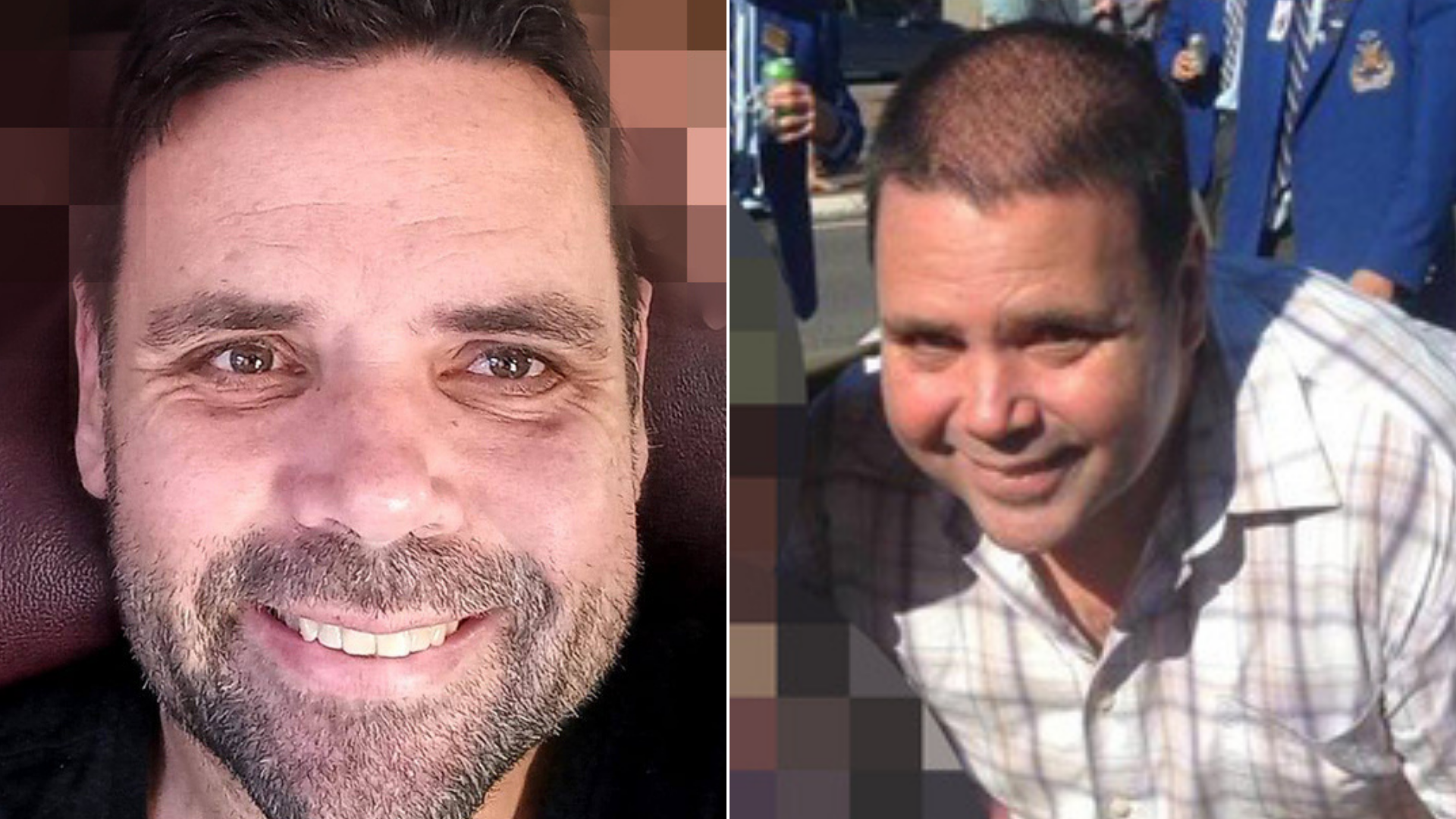
In June 2021, 51-year-old Brisbane father Kerry Rooney was killed outside his Newmarket home in Queensland.
Kerry was more than a name in a news report. He was a father, a son, a friend, and a much-loved member of his local community. He was remembered by friends and neighbours as kind, generous, caring, and deeply devoted to his young son.
At the time of the incident, police alleged that Kerry's former partner, Bonita Vivien Coue, waited for him near his home before attacking him. She was charged with murder, two counts of assault occasioning bodily harm, and going armed to cause fear.
Kerry had reportedly been returning home after his son's soccer game. He was involved with Newmarket Soccer Football Club, where he managed an Under 11s team and was known as a supportive and committed father who showed up for training, games, and the children around him.
Domestic Violence Impacts Everyone
Domestic and family violence is often spoken about as something that only affects women.
But Kerry Rooney's death is a reminder that men are also victims of domestic and family violence.
Male victims are often less visible. They may be less likely to report abuse, less likely to be believed, or less likely to recognise their experience as domestic violence. In some cases, friends, family members, workplaces, and even support systems may miss the warning signs because they do not expect the victim to be male.
Separation Does Not Always Mean Safety
One of the important lessons from Kerry's case is that risk can remain long after a relationship ends.
According to public reporting at the time, Kerry and his former partner had been separated for years. Police also reportedly said there was no recent known domestic violence history between the parties and no current domestic violence orders in place.
That matters because it challenges a common assumption: that once a relationship ends, the danger ends.
In domestic and family violence cases, separation can sometimes reduce risk. But in some situations, it can also be a period of heightened danger, especially where there is fixation, resentment, threats, stalking, coercive control, mental health instability, substance abuse, access to weapons, or a history of violence.
Not every case will have obvious warning signs. Not every victim will have a protection order. Not every danger will already be known to police.
That is why prevention must include broader community awareness.
The Impact on Children
Domestic violence homicide does not only take one life. It changes the lives of children, parents, siblings, friends, neighbours, teammates, and entire communities.
Kerry's young son lost his father in traumatic circumstances. Local reporting later described community efforts to support him, including fundraising and the gift of a support dog.
Children who lose a parent to domestic violence can carry grief, confusion, fear, anger, and trauma.
When we speak about domestic violence, we must remember the children left behind.
Why Kerry's Story Matters
Kerry Rooney's story matters because it reminds us that domestic violence is not always simple, predictable, or easy to categorise.
It can affect men and women.
It can occur after separation.
It can involve former partners.
It can devastate children.
It can happen even when there is no widely known recent history of violence.
And it can happen in ordinary suburban communities, to ordinary families, on ordinary nights.
Domestic violence awareness must be broad enough to include every victim. Prevention must be serious enough to recognise risk before tragedy. And our public conversations must start to address female perpetrators and recognise male victims.
This is not a competition of suffering. It is a call to recognise all forms of domestic and family violence — and to take every warning sign seriously.
If You Are Worried About Someone
If you are concerned that someone may be experiencing domestic or family violence, do not dismiss it because they are male, strong, older or unlikely to ask for help.
Kerry Rooney should be remembered not only for the way he died, but for the life he lived: as a father, a friend, and a valued member of his community.
His life mattered.
His story matters.
And the lessons from his death should not be forgotten.
Need Legal Help?
Understand your rights and options
DVAA provides connections to legal professionals who are experienced in these matters.
Complete the legal enquiry form →Comments
VITE_FACEBOOK_APP_ID to enable them.